Dry blood card
Wellness · Hormones
An at-home collection kit with clear materials, registration, and return steps.
Price
$399.00
Ready to fulfill
Catalog availability: Available for at-home collection
Product-specific details
A useful fit when you want to measure one or more of the items listed here. This information does not provide a diagnosis or a personalized recommendation.
What it measures
Apolipoprotein A refers to proteins associated with lipoproteins that carry fats and cholesterol in the blood.
Why it is measured
Testing provides information about proteins involved in transporting fats and cholesterol in the blood.
What it measures
Apolipoprotein B is a protein on lipoprotein particles that can carry cholesterol into artery walls.
Why it is measured
ApoB is measured to add information about the number of potentially artery-clogging particles and cardiovascular risk.
What it measures
Cholesterol is a fat-like substance the body uses to make hormones and other needed materials.
Why it is measured
Cholesterol results help assess cardiovascular risk alongside other blood lipid results and clinical factors.
What it measures
Cortisol is a hormone made by the adrenal glands that helps regulate the body’s response to stress, blood sugar, and other functions. This marker measures its level in blood.
Why it is measured
Clinicians use cortisol results, often with collection timing and other tests, to assess conditions involving too much or too little cortisol.
What it measures
DHEA-S is a sulfated hormone made mainly by the adrenal glands and used by the body to make other sex hormones. This marker measures its level in blood.
Why it is measured
It can help evaluate adrenal function or investigate signs of excess androgen activity and related reproductive hormone concerns.
What it measures
Free T3 is the portion of triiodothyronine (T3) in blood that is not bound to transport proteins. T3 is a thyroid hormone involved in energy use and other body functions.
Why it is measured
Free T3 may add information when clinicians evaluate or monitor thyroid disease, usually alongside TSH and T4 results.
Kit contents
Each item below is included with this kit.
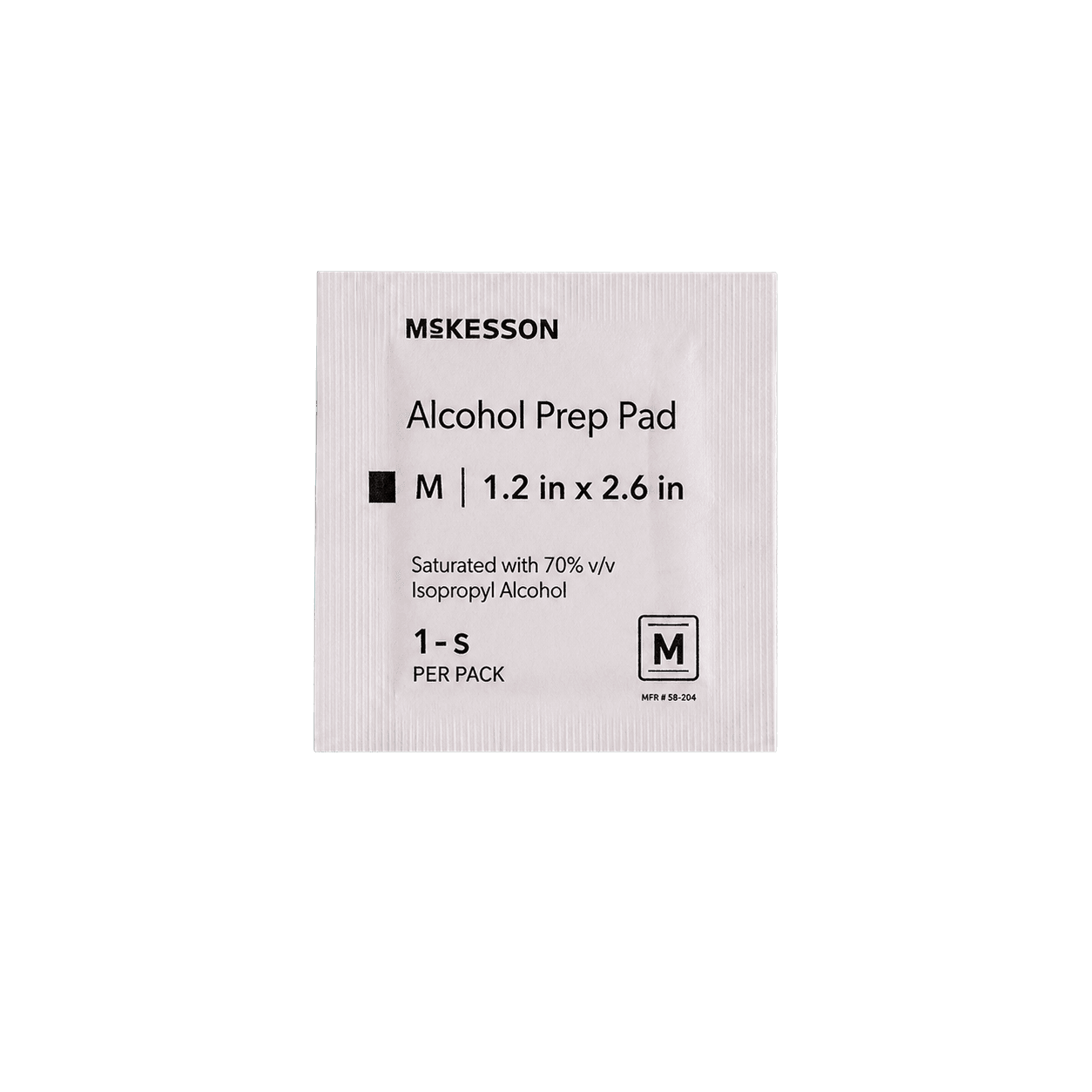
Quantity: 2
Quantity: 1
Quantity: 1
Quantity: 1
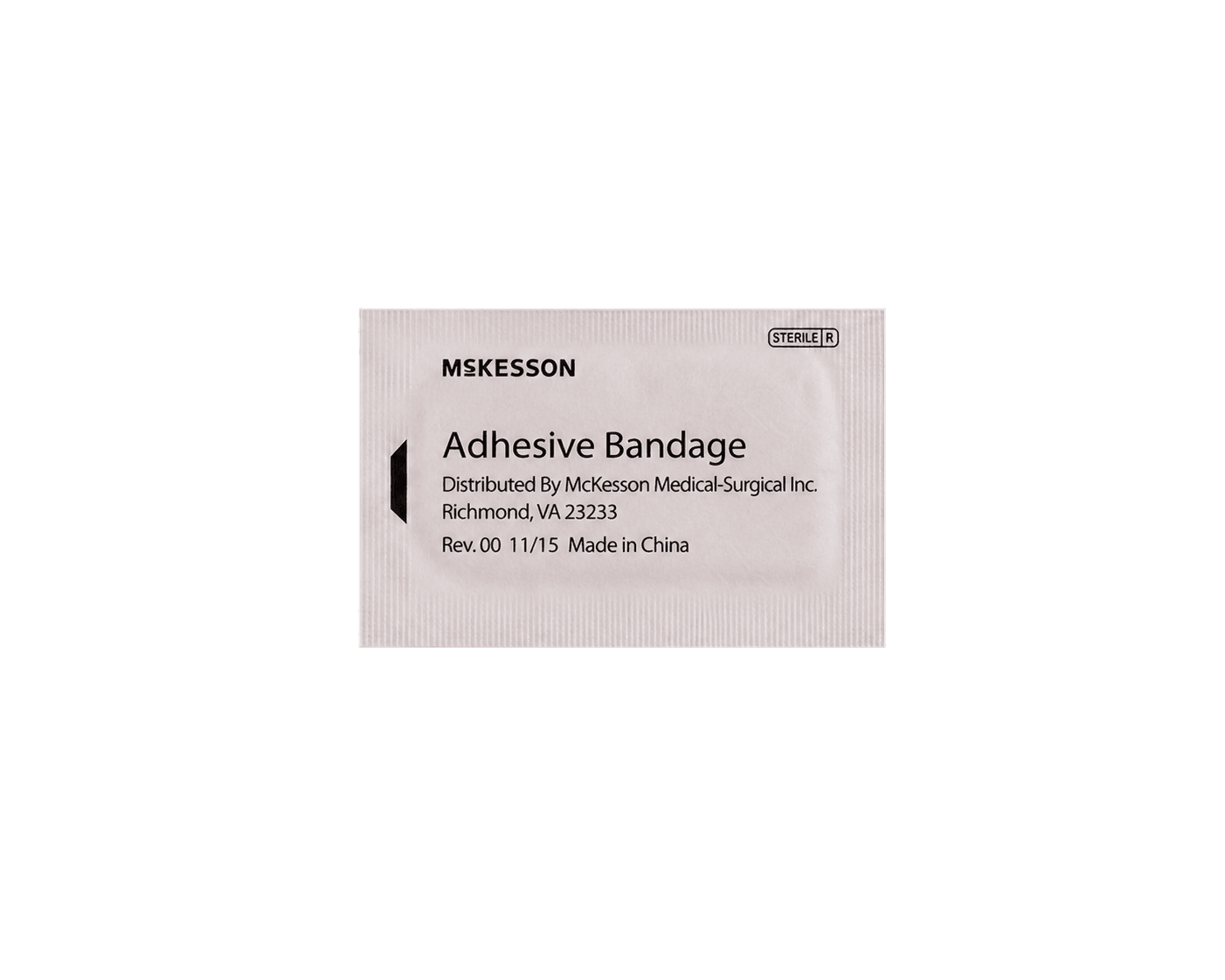
Quantity: 2
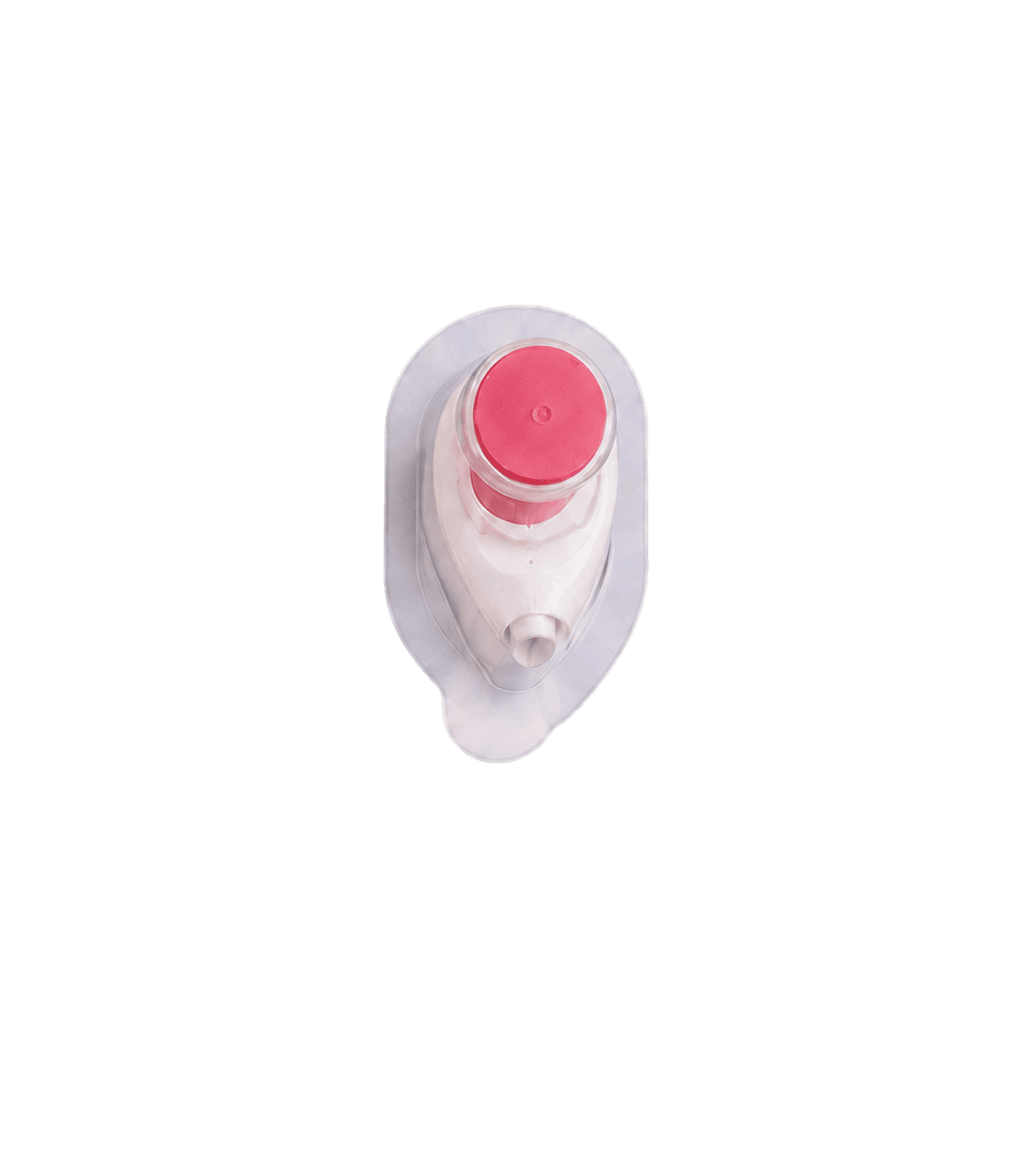
Quantity: 1
Sample type and collection method are shown separately from measured health markers and shipped materials.
Use the QR registration instructions included with the kit before returning the sample.
Result access and follow-up instructions continue after purchase, registration, and processing.
What it measures
Free T4 is the portion of thyroxine (T4) in blood that is not bound to transport proteins. T4 is a hormone made by the thyroid.
Why it is measured
Free T4 helps evaluate and monitor thyroid function, especially when interpreted with TSH.
What it measures
Hemoglobin A1C is the percentage of hemoglobin with glucose attached; it reflects average blood glucose over about two to three months.
Why it is measured
A1C helps screen for or diagnose type 2 diabetes and monitor blood glucose control in people with diabetes.
What it measures
HDL cholesterol is cholesterol carried in high-density lipoprotein particles in the blood.
Why it is measured
It is measured with other lipids to help assess cardiovascular risk.
What it measures
High-sensitivity C-reactive protein, or hsCRP, is a blood measure of low levels of a protein associated with inflammation.
Why it is measured
It may add information about cardiovascular risk when considered with other health factors.
What it measures
Lipoprotein(a), or Lp(a), is a mostly inherited cholesterol-carrying particle in the blood.
Why it is measured
Its level helps assess inherited heart disease and stroke risk that a standard lipid panel may not show.
What it measures
LDL cholesterol is cholesterol carried by low-density lipoproteins in the blood.
Why it is measured
Its level helps assess cardiovascular risk alongside other lipid results and clinical factors.
What it measures
Prolactin (PRL) is a pituitary hormone involved in breast milk production. This marker measures its level in blood.
Why it is measured
Prolactin testing may help investigate unexpected milk production, irregular periods, infertility, or suspected pituitary disorders.
What it measures
Prostate-specific antigen (PSA) is a protein produced by the prostate.
Why it is measured
PSA results may support prostate cancer screening discussions or monitoring of known prostate disease; an elevated result alone does not diagnose cancer.
What it measures
Estradiol (E2) is an estrogen hormone involved in reproductive function and other body processes.
Why it is measured
Estradiol levels can help assess hormone status, investigate reproductive concerns and monitor certain treatments alongside clinical findings.
What it measures
Sex hormone-binding globulin (SHBG) is a protein made mainly by the liver that binds testosterone and other sex hormones in blood. This marker measures its blood level.
Why it is measured
SHBG helps clinicians interpret how much testosterone may be available to tissues, often alongside total testosterone when symptoms and total level do not agree.
What it measures
Testosterone is a hormone involved in reproductive function and other body processes in people of all sexes.
Why it is measured
Testosterone results can help assess possible hormone excess or deficiency and monitor hormone-related treatment alongside symptoms and other findings.
What it measures
Thyroid peroxidase antibodies (TPOAb) are immune proteins directed against a thyroid enzyme. This marker measures them in blood.
Why it is measured
TPO antibody results can help assess whether an autoimmune process contributes to abnormal thyroid function, especially suspected Hashimoto thyroiditis.
What it measures
Thyroid-stimulating hormone (TSH) is made by the pituitary gland and signals the thyroid to make thyroid hormones.
Why it is measured
TSH helps assess thyroid function and monitor treatment, often alongside other thyroid tests.
What it measures
Triglycerides are a type of fat carried in the blood.
Why it is measured
They are measured with other blood lipids to help assess cardiovascular risk.
What it measures
Vitamin D helps the body absorb calcium and supports healthy bones.
Why it is measured
Vitamin D testing can help investigate possible deficiency or other vitamin D concerns when symptoms or risk factors warrant it.